
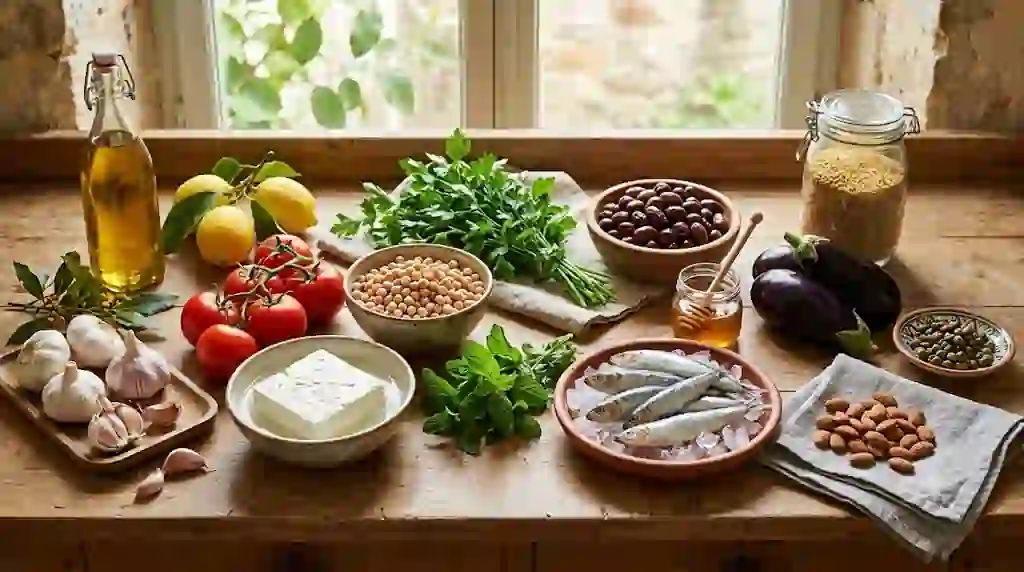
Imagine biting into a warm pita dripping with tahini, the tang of lemon hitting your tongue. This is a daily routine, not simply a meal. Mediterranean food captures this exact feeling—fresh ingredients, simple preparation, and a deep respect for shared tables. It channels the spirit of coastal villages from Spain to Lebanon, celebrating food that makes you feel alive and nourished. Forget rigid diets; this is a vibrant eating pattern backed by decades of nutritional science.
The True Spirit of Mediterranean Food Culture
Mediterranean food is not a monolith. It’s a patchwork of over 20 countries, each adding its own stamp. The common thread isn’t a single spice blend but a philosophy. The cuisine prioritizes what the sun-soaked land and sea provide. Locals shop at open-air markets daily, picking vegetables that smell of the earth.
This way of eating focuses on abundance, not deprivation. Plates burst with color from tomatoes, dark leafy greens, eggplant, and peppers. Whole grains, legumes, and healthy fats form the base of the pyramid. Seafood appears often, while red meat stays in a supporting role. A drizzle of extra virgin olive oil finishes almost every dish, carrying peppery notes and heart-protective properties. Fresh herbs like oregano, rosemary, and mint replace heavy sauces, making the food taste alive.
Sharing is mandatory. A meal stretches for hours, filled with conversation and connection. This social fabric is just as crucial as the ingredients themselves. The slow pace of eating aids digestion and strengthens bonds, proving that Mediterranean food nourishes more than the body.
A Deep Dive into Regional Styles
The beauty of Mediterranean food lies in its diversity. You can travel across the basin and eat entirely different meals while staying true to the same core principles. The flavors shift dramatically as you move from the Western to the Eastern shores.
Italy and Greece champion the herbal and acidic. Think of a Greek salad, where the feta is creamy and the oregano is pungent. Italian cooking relies on the holy trinity of olive oil, garlic, and tomato. A simple spaghetti aglio e olio uses just three ingredients to create magic. These regions adore their citrus and wine vinegars, which cut through the richness of olive oil.
Spain and Portugal carry a deep love for smoked paprika and saffron. Tapas culture introduces bold, bite-sized explosions of flavor. A sizzling plate of gambas al ajol (garlic shrimp) uses dry sherry to deglaze the pan. The Moorish influence brings almonds and honey into savory dishes. Gazpacho, a cold tomato soup, functions as a refreshing shield against the summer heat.
North Africa and The Levant introduce warmth and fragrance. Countries like Morocco, Lebanon, and Turkey use spices such as cumin, cinnamon, and sumac with a generous hand. A Lebanese spread features creamy hummus, smoky baba ghanoush, and bright tabbouleh. Tagines from Morocco slow-cook meat with dried apricots and saffron until it falls apart. This region masters the art of contrast, balancing sweet, savory, and sour in a single bite.
Why Do Scientists Praise This Way of Eating?
The scientific backing for Mediterranean food is rock-solid. The research goes far beyond anecdotal evidence. The famous Seven Countries Study first connected this eating pattern with lower rates of heart disease. Since then, landmark trials like the PREDIMED study have cemented its reputation.
The secret weapon is the fat profile. Unlike the solid fats found in butter or processed snacks, the liquid gold of olive oil combats inflammation. It’s loaded with monounsaturated fats and antioxidants called polyphenols. These compounds protect your blood vessels from damage. Oily fish like sardines and salmon deliver long-chain omega-3 fatty acids, which keep your brain sharp and your heart rhythm steady.
A plate of Mediterranean food loads your body with fiber from chickpeas, lentils, and artichokes. This feeds beneficial gut bacteria, strengthening your immune system. The low glycemic load of whole grains like farro and bulgur prevents blood sugar spikes. According to research published in the New England Journal of Medicine, roughly 30% of heart attacks, strokes, and deaths from heart disease can be prevented in high-risk people who switch to a Mediterranean diet. The antioxidants found in the daily glass of red wine (specifically resveratrol) offer an additional, though modest, protective kick.
Fresh Herbs Guide for Mediterranean Food
| Herb | Flavor Profile | Best Used In | Dried vs. Fresh Rule |
| Flat-Leaf Parsley | Bright, grassy, slightly peppery | Tabbouleh, chimichurri, gremolata, garnish for grilled meats | Always fresh. Dried parsley adds zero flavor. |
| Mint | Cool, sweet, menthol finish | Tzatziki, yogurt sauces, fruit salads, mint tea | Fresh preferred. Dried mint works well in hot tea or spice blends. |
| Dill | Delicate, anise-like, citrusy | Greek spinach pie (spanakopita), tzatziki, fish marinades | Fresh only. Dried dill loses its fragrance almost entirely. |
| Oregano | Pungent, earthy, slightly bitter | Greek salad, grilled lamb, tomato sauces, pizza | Dried is often more potent. Add dried early; finish with fresh. |
| Rosemary | Pine-like, woody, resinous | Roasted potatoes, grilled lamb, focaccia, white bean soup | Both work. Fresh sprigs infuse oil; dried needles need crushing. |
| Thyme | Earthy, lemony, subtle clove | Stews, roasted vegetables, lentil soup, marinades | Both work. Fresh leaves strip from stem easily; dried holds up to long cooking. |
| Cilantro | Citrusy, soapy (to some), bright | Moroccan tagines, chermoula sauce, falafel garnish | Always fresh. Never dried; it becomes |
The 15 Essential Mediterranean Food Staples
You cannot understand the cuisine without meeting its building blocks. These are the ingredients that transform a simple pantry into a flavor arsenal. Stocking these 15 staples unlocks thousands of spontaneous meals.
- Extra Virgin Olive Oil (EVOO)
The non-negotiable cornerstone. Use it for finishing, dressing, and cooking.Look for a harvest date on the bottle; the fresher, the better. A peppery throat tickle signals high antioxidant levels. - Tomatoes
Whether fresh, sundried, or crushed into sauce, they provide the umami backbone. San Marzano tomatoes from Italy offer a sweet, low-acid profile perfect for long simmers. - Chickpeas
The base of hummus and farinata. These legumes offer a nutty bite and a creamy texture when blended. You can roast them until crispy for a perfect snack. - Garlic
Forget the jarred stuff. Fresh cloves pounded into a paste with salt create the foundation of aioli and skordalia. Its pungent aroma mellows into sweetness when roasted. - Lemons
The workhorse acid. A squeeze brightens grilled fish, balances the fat in hummus, and preserves meats. The zest carries more aromatic oils than the juice. - Feta Cheese
A brined curd cheese from Greece made from sheep’s milk (or a mix with goat’s milk). It crumbles perfectly over watermelon and mint or bakes into a creamy dip with roasted peppers. - Yogurt
Thick, strained Greek yogurt is worlds away from the runny alternatives. It serves as breakfast with honey, a marinade tenderizer for chicken, or a cooling sauce base (tzatziki). - Eggplant
The sponge of flavor. It absorbs smoke beautifully for baba ghanoush or soaks up olive oil in a Sicilian caponata. Salting it before cooking pulls out bitterness and moisture. - Fresh Herbs
Parsley, mint, dill, and cilantro are used like vegetables, not garnishes. A tabbouleh salad should be dominated by the green bite of parsley, not the bulgur wheat. - Seafood
The smaller, the better. Sardines, anchovies, and mackerel pack the most omega-3s and the least mercury. Grilled whole fish with a simple ladolemono (oil-lemon) sauce is a standard Sunday feast. - Nuts and Seeds
Walnuts, almonds, sesame seeds (tahini), and pine nuts add texture. Toasting them in a dry pan unlocks volatile oils that perfume the entire dish. - Whole Grains
Move past white pasta. Farro adds a chewy nuttiness to soups, while bulgur wheat is a quick-soaking miracle for salads. Freekeh, a smoked green wheat, offers a uniquely earthy taste. - Wine
Dry red wine, consumed moderately with meals, is part of the tradition. The tannins interact with the food’s fats, cleaning the palate. Cook with it to deglaze pans and add depth to stews. - Honey
The primary sweetener long before refined sugar arrived. Local varieties carry the terroir of the region’s flowers—thyme honey is intensely herbal, while orange blossom honey stays light. - Capers and Olives
Salty, briny punches. Capers pack a mustardy tang (due to capric acid) that cuts through fatty fish. Kalamata olives offer a meaty, winey flavor that sliced black canned olives cannot match.
How to Stock an Authentic Mediterranean Pantry
| Category | Essential Items | Pro Tips |
| Lipids & Acids | Extra virgin olive oil, avocado oil, red wine vinegar, lemons | Keep EVOO in a dark, cool spot. Buy vinegar with a “mother” culture for gut health benefits. |
| Alliums & Herbs | Fresh garlic, yellow onions, dried oregano, fresh parsley, mint | Store fresh herbs upright in a jar of water in the fridge, covered loosely with a plastic bag. |
| Grains & Legumes | Canned chickpeas, dried lentils, bulgur wheat, short-grain brown rice | Always rinse canned legumes to slash sodium by 40% and remove the metallic taste. |
| Canned & Jarred | San Marzano tomatoes, artichoke hearts, capers, Kalamata olives, anchovy fillets | Anchovies disintegrate when heated, leaving a pure umami punch that nobody will identify as fish. |
| Spices & Sweeteners | Smoked paprika, cumin seeds, sumac, cinnamon sticks, raw honey | Buy spices whole when possible. Grind them just before use to wake up the dormant flavors. |
Building the Perfect Mezze Platter
A mezze platter represents the ultimate communal Mediterranean food experience. This isn’t a structured appetizer; it’s a colorful table filled with small dishes meant for sharing and grazing. The secret to a show-stopping spread lies in balancing colors, textures, and temperatures.
The foundation requires a selection of dips. Smooth hummus, drizzled generously with olive oil and a heavy shake of smoked paprika, occupies one corner. A smoky, chunky baba ghanoush sits opposite to provide a different mouthfeel. You need something bracing and fresh, like a tzatziki with shredded cucumber and mint, to cool the palate.
For the solid components, warm grilled halloumi cheese provides a salty squeak. Stuffed grape leaves (dolmas) offer a tangy bite packed with rice and pine nuts. Add an assortment of raw and roasted vegetables—crunchy radishes, sweet red pepper strips, and roasted artichoke hearts. A bowl of marinated olives and a stack of warm, pillowy pita completes the setup. The arrangement must look abundant, with garnishes falling over the edges of the bowls.
A 30-Minute Weeknight Dinner That Shines
Fast Mediterranean food is a reality, not a fantasy. You can place a vibrant, complete meal on the table in half an hour with a single sheet pan strategy.
Preheat your oven to 425°F (220°C) to begin. On a large sheet tray, toss chicken thighs (bone-in, skin-on for maximum flavor) with a heavy pour of olive oil, salt, pepper, and dried oregano. Scatter cherry tomatoes, quartered red onions, and cubes of feta cheese around the chicken. The tomatoes will blister and burst, creating an instant sauce.
Roast everything for 25–30 minutes. The chicken skin renders to a crisp parchment, while the feta softens into a creamy, salty puddle. The caramelized onions and tomato juices mingle with the pan drippings. Finish the dish with a shower of fresh dill and a squeeze of lemon juice right before serving. Pair it with a hunk of crusty bread to mop up the golden, oily juices left on the pan. This single dish hits protein, fat, and vegetable marks without a pile of dirty cookware.
Why Fish Plays a Leading Role
Coastal geography dictates the menu. In the Mediterranean diet, seafood—especially the small, oily varieties—reigns supreme. You don’t need a fancy fillet of sea bass to reap the benefits. The true heroes of Mediterranean food are the humble anchovy and sardine. They sit low on the food chain, so they accumulate fewer heavy metals and deliver higher concentrations of omega-3s.
These small fish add a deep, savory backbone to dishes. An anchovy fillet melted into a garlicky olive oil base disappears entirely, leaving behind only a complex richness. A classic dish from the Amalfi Coast, spaghetti alla colatura di alici, uses a clear amber liquid derived from fermented anchovies. It tastes like the pure essence of the sea. This approach uses meaty flavors as a condiment, allowing plants and grains to remain the main event.
The Sweet Conclusion: Fruit, Nuts, and Honey
Dessert in the context of Mediterranean food rarely involves heavy buttercream or dense chocolate cakes. The daily sweet treat focuses on whole foods. A bowl of ripe stone fruit—peaches, nectarines, or apricots—serves as the primary dessert. The natural sugars satisfy the craving without the crash.
For something more indulgent, the combination of nuts and honey takes center stage. Baklava, the famous phyllo pastry, is reserved for celebrations, not daily consumption. An everyday dessert might consist of thick, strained yogurt drizzled with chestnut honey and a scattering of crushed walnuts. The healthy fats in the nuts slow down the absorption of sugars, keeping your energy stable. Poached pears in spiced red wine offer a warm, fragrant finish that feels luxurious without being heavy on the stomach.
Debunking the Pasta Myth
Many people fear that Mediterranean food is too carb-heavy to be healthy. This misconception misses the crucial details about portioning and quality. Pasta in Italy plays a supporting role, not the headline act. Italians often eat a small, fist-sized portion of primi (pasta) before a protein-heavy secondi, or they treat the pasta as the main event loaded with vegetables and legumes.
The quality of the grain changes the game entirely. Bronze-die-cut pasta holds onto sauce better than smooth, Teflon-extruded types. Al dente cooking reduces the glycemic impact because your body digests the tightly bound starch structures more slowly. Furthermore, combining pasta with fiber-rich foods like broccoli rabe or chickpeas blunts any blood sugar spike. Never drown pasta in a heavy cream sauce; a true Roman cacio e pepe uses only starchy pasta water, Pecorino Romano, and a mountain of freshly cracked black pepper to create a silky, emulsified coating.
Navigating a Mediterranean Restaurant Menu
Eating out should reinforce these principles, not derail them. You can walk into any Greek, Lebanese, or Italian spot and build a perfect plate. Focus your eyes on the sides and appetizers first. An order of horta (wild greens boiled and drenched in olive oil and lemon) delivers more nutrients than most entrée salads.
Choose grilled over fried. A charbroiled whole fish or a skewer of grilled shrimp bypasses the heavy batters that clog arteries. Ask the kitchen to hold the butter on your fish and double the ladolemono sauce. If you order meat, select a cut like lamb kebab, where the ground meat stretches further with herbs and onions. Attack the bread basket strategically: eat it plain or dipped in olive oil rather than butter, and always pair it with a protein or fat source to stabilize your energy. Make the meal an event—eat slowly, converse, and stop when you feel politely full.
Experience, Expertise, and Trust
This guide isn’t just a collection of facts. It reflects years of hands-on time spent in home kitchens from Crete to Catalonia. The advice on emulsifying sauces and blistering tomatoes comes from stovetop failures and eventual triumphs. True authority in Mediterranean food stems from respecting the grandmothers and fishermen who created these traditions out of necessity and local abundance.
Scientific claims tie back to verified data from institutions like the American Heart Association and landmark studies like PREDIMED. For further reading, the Harvard T.H. Chan School of Public Health provides a detailed breakdown of the diet’s nutritional components on their site, while the Mayo Clinic offers practical guides for clinical application. Oldways, a food and nutrition nonprofit, created the Mediterranean Diet Pyramid and remains a trustworthy resource for cultural context and recipes. This blend of lived experience and scientific validation builds the trust required for you to make permanent, positive changes to your life.
Frequently Asked Questions About Mediterranean Food
Is Mediterranean food always spicy?
No, it’s aromatic rather than spicy. Heat comes from black pepper or Aleppo pepper flakes, which offer a mild, fruity warmth rather than a fiery burn. The flavor relies on herbs like oregano, rosemary, and dill for depth, making it suitable for every palate.
How does Mediterranean food help with weight management?
It replaces calorie-dense processed fats with satiating healthy fats from olive oil, nuts, and fish. The high fiber content from legumes, whole grains, and vegetables triggers your body’s “fullness” signals sooner. When you do not track your calories, you automatically consume fewer of them.
Can you eat Mediterranean food with nut allergies?
Absolutely. You can easily omit nuts and still access the core benefits. Substitute tahini (if sesame is safe) for nut-based sauces. Use roasted seeds like sunflower or pumpkin to add the crunchy texture missing from nuts in salads and dishes.
What makes olive oil so central to Mediterranean food?
Extra virgin olive oil is a fresh-pressed fruit juice containing over 30 phenolic compounds. These antioxidants combat oxidative stress in the body. Its high smoke point (around 380°F) makes it safe for cooking, and its peppery taste completes the flavor profile of grilled meats and vegetables.
Is Mediterranean food expensive to prepare at home?
Not when you build meals around the right stars. The most authentic dishes, like lentil soup or pasta e ceci (pasta with chickpeas), cost pennies per serving. You invest in good olive oil and herbs, but you save by reducing meat portions and eliminating processed snack foods.
How does red wine fit into Mediterranean food culture?
Wine acts as a digestive aid, not a cocktail. A small glass (5 ounces) consumed with a meal slows down the drinking pace and interacts with food’s polyphenols to improve blood flow. The key is drinking moderately while eating, never on an empty stomach.
Keep the Journey Going
The shift to Mediterranean food turns your kitchen into a sunny, herb-scented escape. You aren’t signing up for a restrictive calorie count; you’re adopting a strategy proven to protect your heart and thrill your taste buds. The meals honor simple ingredients prepared with confidence.
Dig out your best olive oil today and try that 30-minute sheet pan dinner. Add a new herb to your grocery cart. Share the result with someone you care about, because this cuisine only makes sense when it’s shared. Drop a comment below with your favorite dish from the list, or share the article with a friend looking to eat better while enjoying every bite.