
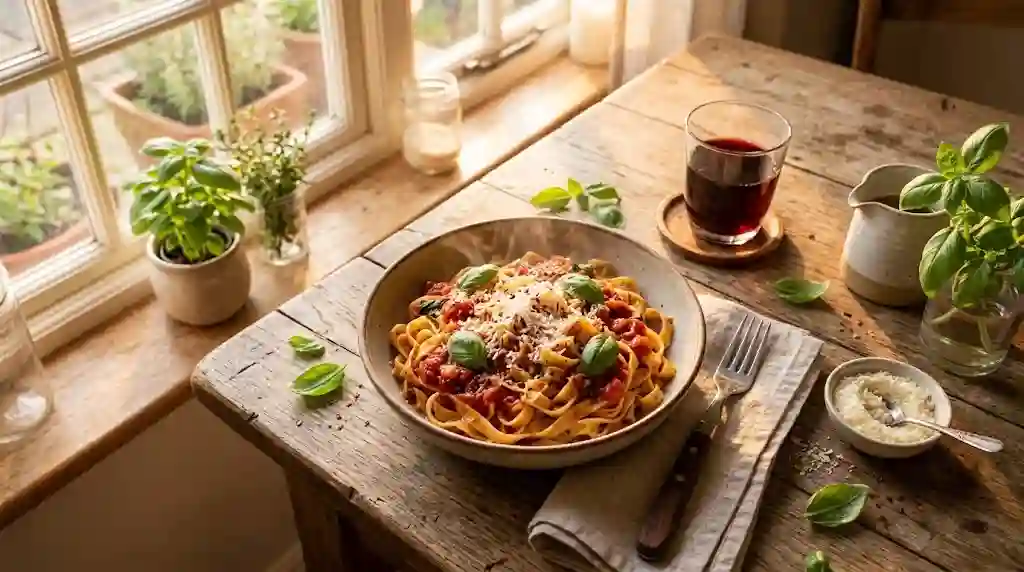
You’ve probably ruined pasta more times than you’d ever admit out loud. Mushy penne pasta, bland sauce sliding right off the noodles, or that sticky clump nobody at the dinner table actually wants to eat.
The frustrating truth is most home cooks skip the tiny details that separate average pasta from the kind that makes people close their eyes and groan. This guide fixes every single mistake so you never serve bad pasta again.
How to Boil Pasta the Right Way (Stop Guessing)
Boiling pasta sounds ridiculously simple until you realize most people get it completely wrong. The biggest mistake is not using nearly enough water. You need at least four quarts for every pound of pasta shapes you cook.
Salt your water aggressively once it reaches a rolling boil. It should taste noticeably like the sea. This is the only moment your pasta absorbs flavor from the inside out, so skipping this step guarantees bland results every time.
When asking how long to boil pasta, always check the package but subtract one full minute. You want a firm al dente texture because the pasta keeps cooking once you toss it into hot sauce.
How Long to Cook Pasta by Type
Different types of pasta demand different timing. Thin bucatini pasta cooks much faster than thick rigatoni pasta or spiral cavatappi pasta. Always taste-test two minutes before your timer goes off.
- Fresh homemade pasta: 2 to 3 minutes
- Dried penne pasta or rigatoni: 10 to 12 minutes
- Bucatini pasta: 9 to 11 minutes
- Protein pasta or chickpea pasta: 7 to 9 minutes
How to Make Pasta from Scratch (Easier Than You Think)
Learning how to make homemade pasta requires just three basic ingredients: flour, eggs, and a small pinch of salt. No fancy equipment is strictly necessary, though a simple pasta machine makes rolling much faster and more consistent.
Dump two cups of “00” flour onto your clean counter and create a deep well in the center. Crack three large eggs into that well and slowly whisk them into the surrounding flour using a fork until a shaggy dough forms.
Knead the dough firmly for eight to ten minutes until it feels smooth and elastic. This resting period relaxes the gluten so your pasta rolls out paper-thin without snapping back.
How to Make Homemade Pasta Sauce to Match
A great pasta dish lives or dies by its sauce. Start with crushed San Marzano tomatoes, smashed garlic, good olive oil, and torn fresh basil for a classic marinara. Simmer it low and slow for at least twenty minutes.
Want to know how to thicken pasta sauce quickly? Reserve a full cup of starchy pasta water right before draining. Splash it into your sauce and stir vigorously over heat. The starch emulsifies everything into a silky coating that clings to every noodle.
Best Pasta Recipes You Need to Try This Week
Once you master how to cook pasta properly, the pasta recipes you can make become practically endless. Here are crowd favorites that deliver incredible results every single time you make them:
- Marry Me Chicken Pasta: Creamy sun-dried tomato sauce loaded with parmesan and heavy cream that goes viral for a reason.
- Pasta Primavera: Toss seasonal vegetables with olive oil, garlic, and a bright squeeze of lemon over your favorite pasta types.
- Pesto Pasta: Blend fresh basil, toasted pine nuts, garlic, parmesan, and olive oil, then toss with hot pasta off the heat.
- Pasta Fagioli: A hearty Italian soup combining creamy beans, small pasta shapes, crushed tomatoes, and fresh herbs.
- Rasta Pasta: A bold Jamaican-Italian fusion loaded with jerk seasoning, bell peppers, and a creamy coconut sauce.
- Pasta Salad Recipe: Perfect for meal prep using rotini, cherry tomatoes, kalamata olives, feta, and a zesty vinaigrette.
Understanding Different Types of Pasta and Pasta Shapes
Walking down the pasta aisle can feel overwhelming because there are over 350 types of pasta available worldwide. Each shape is designed to hold sauce differently, and choosing the right one dramatically changes your final dish.
Long pasta like bucatini pasta works beautifully with thin oil-based sauces, while short tubular shapes like rigatoni pasta and penne pasta trap thick chunky sauces inside their hollow centers. Twisted shapes like cavatappi pasta grab creamy sauces perfectly.
Is Pasta Healthy? Let’s Settle This Debate
The short answer is yes, pasta is healthy when eaten in sensible portions. Whole wheat and protein pasta options pack significantly more fiber and nutrients than refined white versions most people default to.
Is chickpea pasta healthy? Absolutely. It delivers nearly double the protein and fiber of traditional pasta, making it an incredibly smart swap for fitness-focused eaters and anyone managing blood sugar levels.
How much pasta per person should you serve? Stick to two ounces of dry pasta per person as a side, or three to four ounces as a main course. Over-portioning is where most diet problems quietly begin.
Pasta Storage and Reheating Tips Nobody Tells You
Wondering how long does pasta last in the fridge? Cooked pasta stays perfectly fresh for three to five days in an airtight container. Toss it lightly with olive oil before storing to prevent ugly clumping.
Can you freeze cooked pasta? Yes, but slightly undercook it first. Freeze in single-serve portions and reheat directly in boiling water for about sixty seconds for best results.
When figuring out how to reheat pasta without drying it out, add a generous splash of water or leftover sauce and warm it in a covered skillet over medium heat.
Pasta Comparison Table
| Pasta Type | Cook Time | Best Sauce Pairing | Protein per Serving |
| Penne Pasta | 10–12 min | Arrabbiata, Vodka | 7g |
| Rigatoni Pasta | 11–13 min | Bolognese, Cream | 7g |
| Bucatini Pasta | 9–11 min | Cacio e Pepe | 7g |
| Cavatappi Pasta | 10–12 min | Mac and Cheese | 7g |
| Protein Pasta | 7–9 min | Light Marinara | 13–20g |
| Chickpea Pasta | 7–9 min | Pesto, Lemon Garlic | 11–14g |
The numbers above clearly show that swapping to protein pasta or chickpea pasta nearly doubles your protein intake without sacrificing texture. For anyone still asking is chickpea pasta healthy, these stats speak louder than any opinion.
Frequently Asked Questions
How to cook pasta perfectly every single time?
Use plenty of salted boiling water, stir during the first two minutes, and always taste before draining. Reserve pasta water for your sauce because that simple trick is the real secret most recipes leave out.
Can dogs eat pasta safely?
Plain cooked pasta in small amounts is generally safe for dogs. Avoid garlic, onion, and heavy cream sauces since those specific ingredients are genuinely toxic to pets.
Is risotto rice or pasta?
Risotto is made from rice, specifically Arborio or Carnaroli short-grain varieties. It is not pasta, even though both are beloved Italian starch-based dishes often served with similar sauces.
How to make pasta salad that doesn’t get soggy?
Cook your pasta al dente, rinse it under cold water immediately, and dress it while still slightly warm. Add delicate greens and fresh herbs right before serving to maintain crunch.
Final Word
Stop treating pasta like a boring afterthought you throw together when nothing else is in the fridge. Whether you’re learning how to make pasta from scratch or just want to nail a quick weeknight dinner, the small details matter far more than any fancy recipe. Salt your water heavily, undercook slightly, save that starchy liquid, and taste everything before it hits the plate. Do these four things consistently and your homemade pasta will rival anything you’d happily pay for at a restaurant.