
(Introduction)
You bite into a pastry expecting blueberry, but the flavor is darker, muskier, and wildly more complex. That is the distinct taste of blackcurrant—a berry many Americans have never truly experienced. Navigating its unique flavor profile, cooking uses, and even the controversial U.S. ban can feel like cracking a secret code.
This guide hands you the master key, explaining precisely what this tiny purple berry is, how to cook with it, and why your body craves its powerful nutrients.
What is Blackcurrant?
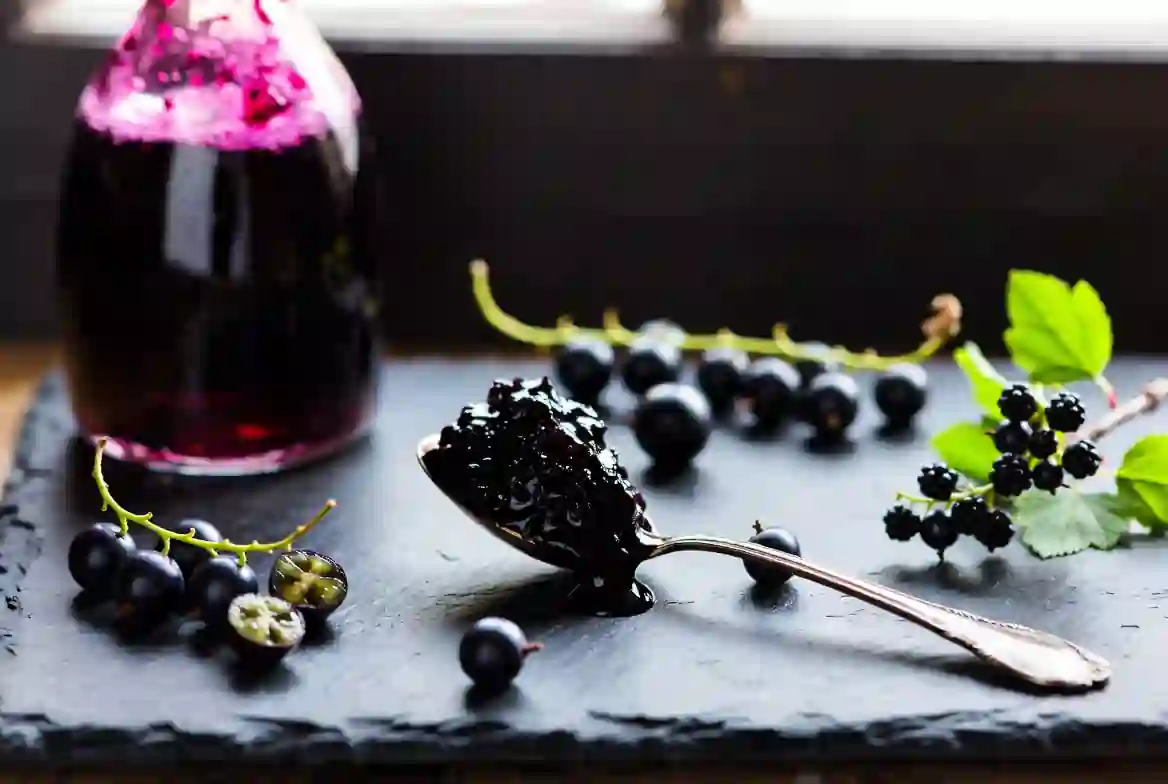
Blackcurrant is a small, glossy berry harvested from the Ribes nigrum shrub. The fruit grows in dark purple, almost black clusters and packs an intensely sharp, earthy flavor. Unlike sweeter grapes or blueberries, the raw blackcurrant hits your palate with a puckering tartness. This bush is native to temperate parts of central and northern Europe and northern Asia.
Farmers cultivate it extensively in the UK, Poland, and New Zealand. The plant has a notorious history in the United States, where a federal ban on growing the bushes lasted for over half a century. Authorities removed the ban in 1966, but state-level restrictions persist in some areas.
The white pine blister rust fungus used the currant bush as a host, threatening the timber industry. This history explains why fresh blackcurrant fruit remains a rare sight in American grocery stores. You primarily encounter the flavor processed into syrups, pastilles, or imported preserves.
Is Blackcurrant Banned in the US?
The federal ban on cultivating blackcurrant bushes ended decades ago. Horticulturists developed disease-resistant varieties, making it legal to grow the berry in many northern states. New York, Connecticut, and Oregon allow farming, but other states like Massachusetts and New Hampshire maintain strict permit systems or prohibitions.
You won’t find the fresh berries widely available due to a lasting cultural gap, not a legal blockade. Most Americans grew up without the taste, so demand stayed low. Instead, you can legally buy processed blackcurrant products like juice, jam, and seed oil capsules online and in specialty stores.
The ban’s legacy simply erased the berry from the American culinary map. If you want fresh fruit, you must seek out a local grower or plant a bush yourself where local laws permit.
What Does Blackcurrant Taste Like?
The flavor of blackcurrant combines intense tartness with a deep, musky earthiness. Your tongue detects an astringent quality that dries the mouth slightly, similar to a dry red wine. Once you tame the sharpness with sugar, rich notes of cherry, raspberry, and a distinct cat-pee tang from naturally occurring thiols emerge.
This sounds odd, but the same compound family gives sauvignon blanc wine its crisp, boxwood character. The aftertaste lingers with a dark, jammy sweetness that feels far more sophisticated than a simple grape.
British and European palates associate this flavor with childhood fruit squash and chewy candies. Try the processed syrup or dried berries first if you are new to the taste. The raw fruit straight from the bush offers an unapologetically sour punch that excites chefs but might shock a first-timer.
What Does Blackcurrant Smell Like?
Blackcurrant has a distinct olfactory profile that balances fruity brightness with an animalic, woody depth. The buds and leaves produce an even more intense aroma than the berry itself. Perfumers use Ribes nigrum bud absolute to inject a green, cat-like sharpness into luxury fragrances.
You smell a combination of fresh pine, red berries, and a slightly sulfurous bite. This complexity makes it a favorite top note in iconic scents like Guerlain’s Chamade or Diptyque’s L’Ombre dans L’Eau. In the garden, brushing against the leaves releases a sticky, pungent scent that some find unpleasant and others find addictive. The fruit’s scent cuts through sweetness, giving jams and desserts an aromatic sharpness that instantly identifies the ingredient as unmistakably blackcurrant.
Detailed Flavor and Health Profile
You need a clear comparison to understand the nutritional power and taste spectrum of this berry. The following table breaks down the fruit’s profile against other common berries.
| Variety | Primary Taste Note | Vitamin C (mg per 100g) | Best Culinary Use |
| Blackcurrant | Earthy, Astringent, Musky | 181 | Jams, Syrups, Liqueurs |
| Blueberry | Mild, Sweet, Floral | 9.7 | Fresh eating, Muffins |
| Redcurrant | Bright, Sharp, Clean | 41 | Tarts, Sauce for meats |
| Raspberry | Sweet, Perfumed, Tangy | 26.2 | Coulis, Fresh salads |
| Blackberry | Woody, Sweet, Mild Tartness | 21 | Pies, Cobblers |
Expert Insight: Dr. Emma Derbyshire, a public health nutritionist, published findings in the European Journal of Clinical Nutrition highlighting blackcurrant’s ability to focus on blood flow and immune defense. (Source: British Summer Fruits association). The deep purple skin delivers anthocyanins that support eye health and reduce muscle fatigue. You get more than four times the vitamin C of an orange in a single handful.
Blackcurrant Juice and Cordial: The Timeless Classics
You encounter blackcurrant in its most nostalgic form as a dark, syrupy cordial. Ribena Blackcurrant first appeared in the UK in 1938 as a free vitamin C supplement for children. The government distributed it during World War II to prevent scurvy, cementing its place in British culture.
To make a traditional blackcurrant cordial, you gently stew the berries with water and strain the intense liquid. You then dissolve a generous amount of sugar into the warm concentrate, creating a shelf-stable syrup. Dilute one part cordial with four parts cold water or sparkling soda for a refreshing drink.
Pour it hot into a mug during winter for a soothing alternative to tea. Pure blackcurrant juice skips the added sugar and offers a bracingly tart, almost savory beverage. You must shake the bottle well as the heavy sediment of skins settles quickly at the bottom.
Icy Blackcurrant Zyn and Modern Nicotine Alternatives
The oral nicotine market recently adopted this berry flavor with rapid success. Zyn Icy Blackcurrant merges the dark, sweet berry notes with a sharp hit of arctic cold. Unlike tobacco-heavy snus, these nicotine pouches use flavorings that replicate the specific musky and sour candy profile.
The “icy” component mimics the sensation of crushed mint without altering the authentic fruit base. You taste the blackcurrant flavor upfront, followed by a cooling numbness that intensifies the experience.
This product appeals to users seeking a European candy-like taste rather than American wintergreen. Nicotine pouches from the Zyn brand continue expanding this flavor line due to its proven popularity in Nordic markets. The pouch sits discreetly under the lip, delivering a long-lasting release of that distinctively tart berry essence.
How to Make Guinness and Blackcurrant
A “Guinness and Black” combines the stout’s roasted coffee bitterness with the sharp syrup’s sweet tartness. You start with a clean pint glass and pour a shot of undiluted blackcurrant cordial into the bottom. Tip the glass at 45 degrees and slowly fill it with chilled draught Guinness. The rising bubbles pick up the purple syrup, creating a creamy, pink-tinged head.
The flavor transforms the stout into a liquid version of dark berry chocolate. Pubs in the UK often serve this as a “snakebite” variant, though purists claim it masks the stout’s subtlety. You drink this for the fruity, easy-going experience rather than beer critique. Do not use cheap imitation squash; the real concentrated cordial gives the necessary viscosity and punch.
Blackcurrant Jam Recipe
Making a proper jam requires patience and a specific fruit-to-sugar ratio. The high pectin content in the fruit means you do not need store-bought pectin to achieve a firm set. Blackcurrant jam relies on a 1:1 weight ratio of raw berries to granulated sugar. This balances the aggressive tartness without turning the spread into candy.
The intense cooking process fills your kitchen with a heady, slightly tannic steam. Use a wide, heavy-bottomed pan to maximize evaporation. The resulting preserve glows with a deep, opaque purple that stains thick toast perfectly. Spread it sparingly on buttered sourdough or spoon it over a sharp goat cheese log. The high acidity acts as a natural preservative, giving your jar a longer shelf life after opening.
Preserving Instructions:
- Prepare the Fruit: Wash 1 kg of fresh or frozen blackcurrants. Discard any stems and small green berries. Place them in a preserving pan with 400 ml of water.
- Simmer the Skins: Bring the mixture to a boil. Reduce the heat and let it bubble gently for 20 minutes until the skins soften completely and split. The fruit must be tender before adding sugar, or the skins will turn tough.
- Add Sugar and Dissolve: Remove the pan from the heat. Stir in 1 kg of granulated sugar. Return the pan to a very low heat. Stir continuously without letting the mixture boil. The sugar crystals must vanish completely.
- Rapid Boil to Set: Crank the heat to high. Let the jam roll at a furious, volcanic boil. You do not stir it now. After exactly 8 minutes, spoon a drip onto an ice-cold plate. Push it with your finger. If the surface wrinkles, the jam is ready. If not, boil for another 2 minutes and repeat the wrinkle test.
- Jar and Seal: Take the pan off the heat. Skim away any pale purple foam from the surface. Ladle the hot jam into sterilized jars, leaving a quarter-inch gap at the top. Screw the lids on tightly while the glass remains scorching.
How Do You Remove Blackcurrant Stains?
You must treat the deep anthocyanin pigments as a dye. The purple stain sets permanently into fabric fibers if you apply heat or allow it to dry. Immediate action defines your success.
How do you remove blackcurrant stains? Start by scraping off any excess pulp. Do not rub the fabric; dab at it with a clean white cloth soaked in cold water. The tannin-based stain requires a boiling water shock treatment if the fabric can handle it. Stretch the stained area over a bowl and slowly pour a kettle of boiling water from a height of about 12 inches.
The force and heat flush the purple pigment out before it binds. For delicate fabrics, cover the mark with a thick layer of salt or baking soda to draw the liquid out. Then, soak the item in a mixture of cold water and oxygen-based bleach overnight. Wash as normal in a cold cycle and air dry. Check the garment carefully; a single run through a hot dryer bakes the mark in.
Blackcurrant Liqueur and Cocktail Syrup
Homemade blackcurrant liqueur, known as Crème de Cassis in France, relies on patience rather than heat. You fill a Kilner jar halfway with ripe berries and add a few muddled leaves for their almond-like bitterness. Cover the fruit generously with vodka or brandy and seal it tight. The alcohol extracts the flavor over a period of six weeks, turning a dark, inky magenta.
You then strain the liquid and whisk in a simple syrup made from equal parts sugar and water. Commercial distillers like Lejay and Giffard age this base to achieve a silky mouthfeel. Use your homemade version to build a classic Kir cocktail by pouring a measure into a glass and topping it with crisp white wine.
A Kir Royale simply replaces the still wine with dry Champagne. Blackcurrant syrup without alcohol works perfectly for Italian sodas or drizzled over vanilla panna cotta.
Blackcurrant Seed Oil and Skincare
The beauty counter prizes this berry for its oil, not just its taste. Cold-pressed blackcurrant seed oil contains a rare fatty acid profile rich in gamma-linolenic acid (GLA) and stearidonic acid. Your skin uses these omega-6 fats to reduce inflammation and lock in moisture. Using it topically helps calm eczema flares and reduce transepidermal water loss.
The pale yellow oil sinks in fast without leaving a greasy shine, making it a potent night treatment for reactive skin. Internally, GLA supplements support hormonal balance, particularly for women experiencing breast tenderness tied to menstrual cycles.
Reviews of Fiama Blackcurrant & Bearberry Shower Gel show that consumers are increasingly mixing the moisturizing qualities of this oil with mild cleansers. Bearberry extract adds a brightening effect, balancing the deep berry scent with a clean, slightly medicinal fruit blend.
Blackcurrant Tea and Powder Uses
You brew a comforting herbal cup using dried blackcurrant leaves and crushed berries. Blackcurrant tea offers a deep magenta hue and a flavor profile similar to hibiscus but less floral.
French tea blenders often pair the dried fruit with vanilla rooibos to mask the metallic note that comes from brewing straight leaves. You should steep dried blackcurrant pieces for at least eight minutes to allow the sugars to fully rehydrate. For a concentrated boost, you can stir blackcurrant powder into overnight oats or protein shakes.
The freeze-dried powder retains the natural seed oils, so it clumps easily. Mix it with a dry ingredient before adding liquid. Athletes use this powder for a natural nitric oxide boost, as the anthocyanins aid blood flow. Pick capsules or the straight powder to avoid the sugar rush linked with commercial juice blends.
Frequently Asked Questions
Can dogs have blackcurrant?
No, you must keep fresh blackcurrants away from dogs. The fruit itself is safe in minimal quantities, but the whole plant poses a threat. The leaves, stems, and unripe berries contain trace cyanogenic glycosides, which can cause kidney stress and breathing issues in canines. The high acidity of the berries causes diarrhea. Stick to commercial treats with no grape or currant ingredients.
Where to find blackcurrant RDR2?
You can locate the wild berry bushes in the open plains of West Elizabeth. Ride to the area directly north of the “Y” in “West Elizabeth” on the map, specifically around the Big Valley region. The bushes also appear near Diablo Ridge. Arthur can harvest the berries to craft Potent Snake Oil or eat them to refill a small portion of his Health Core. Look for dense, dark purple berry clusters on low bushes.
What is a blackcurrant fruit classed as?
Botanically, it is a true berry. A true berry develops from a single ovary and contains several small seeds embedded within the fleshy pericarp. It belongs to the Grossulariaceae family. This differs from a strawberry, which is an aggregate accessory fruit. You eat the entire pericarp, making it a “pepo-less” berry distinct from grapes but structurally similar.
How do you make blackcurrant cordial from scratch?
Place 500 grams of washed berries and 300 ml of water in a stainless steel pot. Bring the mix to a boil and mash the fruit against the side with a wooden spoon. Simmer the slurry for 20 minutes. Strain the purple mass through a cheesecloth-lined sieve without pressing too hard to avoid cloudiness.
Measure the collected liquid and return it to the heat with an equal volume of caster sugar. Stir until the sugar dissolves and the liquid just reaches a simmer. Bottle the hot syrup in sterilized glass bottles. You will get a thick syrup that lasts months in the refrigerator.
What does blackcurrant smell like in perfume?
Perfumers describe the scent as a “feline” green note. It smells nothing like a typical candy berry. The absolute extracted from the buds carries a sulfurous, animalic sharpness similar to tomato leaves or boxwood.
It adds a wild, forest-floor character to floral compositions. When used in blackcurrant perfume, the note provides a fizzy, heady texture that lifts heavy rose or vanilla bases, creating a distinctly sophisticated European profile.
What is blackcurrant good for?
Blackcurrant delivers an extreme dose of Vitamin C that supports collagen production and immune cell function. The antioxidant anthocyanins reduce oxidative stress on your eyes, specifically improving night vision adaptation and retinal blood flow. GLA in the seeds fights skin dryness from the inside out. Eating the berries helps move blood through your system more efficiently, lowering muscle soreness after physical exercise.
The Last Word on This Super Berry
Blackcurrant demands you move past bland, sugary fruit flavors and embrace deep complexity. From the banned bush to the iconic purple cordial, this berry carries history in every puckering drop. You now possess the knowledge to whip up a sticky jam, de-stain a shirt, or pour a perfect Guinness and black.
Fiama Blackcurrant & Bearberry Shower Gel reviews frequently praise the skin-softening results linked directly to this berry’s potent seed oil. Do not wait for the taste to show up in a regular store. Buy the dried powder or cold-pressed juice online. Seek out the authentic, rib-sticking cordial. Once your palate adjusts to the sharp, musky intensity of true blackcurrant flavor, you will find standard grape-based drinks bland by comparison. Bring this dark purple powerhouse into your kitchen and see what you have been missing.