Mannacote: The Ultimate Guide to Perfect Stuffed Pasta
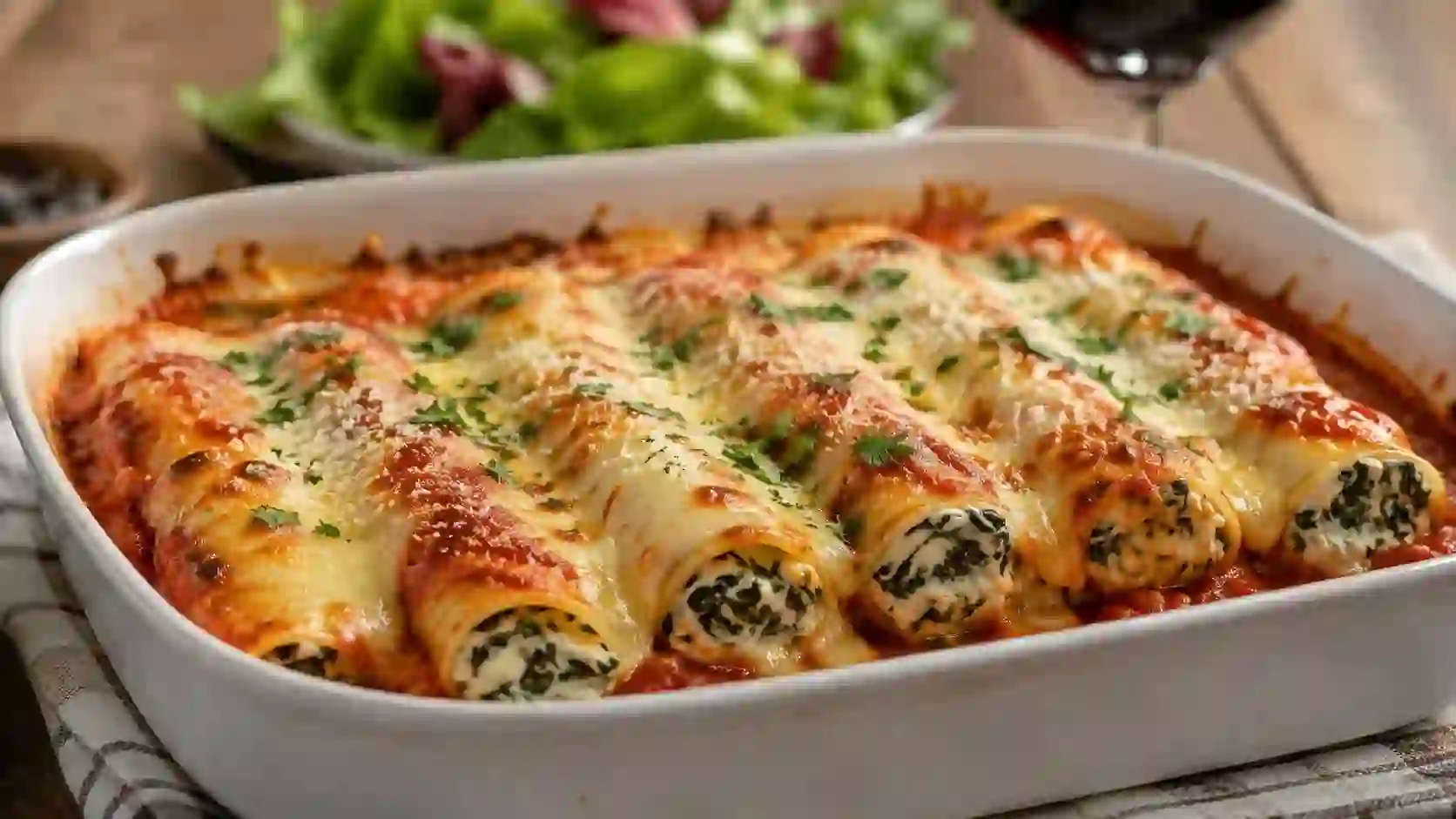
You want a comforting baked pasta dish that feels special yet stays simple enough for a weeknight. Store-bought versions often turn out bland or dry. Homemade attempts can leave shells broken and fillings watery. Mannacote solves that. Large pasta tubes filled with creamy ricotta, topped with rich sauce, and baked until golden deliver pure satisfaction every time. This guide gives you clear steps, smart tips, and everything needed to master mannacote in your kitchen.
What Exactly Is Mannacote?
Mannacote refers to large tubular pasta stuffed with cheese or meat mixtures, then baked in tomato or cream sauce. It matches the Italian-American dish known as manicotti. Families often call it mannacote based on regional pronunciation or handed-down recipes. The pasta tubes hold generous fillings, and the bake creates a bubbly, golden top that draws everyone to the table.
A Quick Look at Mannacote History
Italian immigrants brought stuffed pasta traditions to America. Early versions used crespelle (thin crepes) rolled around fillings. Later, dried ridged tubes became common in U.S. stores for easier preparation. Mannacote grew popular as a Sunday dinner favorite and holiday staple. Today it stands as classic comfort food across many households.
Mannacote vs Manicotti vs Cannelloni
People often mix these terms. Here is a clear comparison:
| Feature | Mannacote / Manicotti | Cannelloni |
| Pasta Shape | Large ridged tubes (U.S. style) | Smooth tubes or rolled sheets |
| Origin Focus | Italian-American | More traditional Italian |
| Common Filling | Ricotta, mozzarella, Parmesan | Meat, cheese, or vegetable mixes |
| Preparation | Stuff pre-formed tubes | Often roll fresh pasta |
| Texture | Ridges hold sauce well | Smoother surface |
Mannacote and manicotti essentially describe the same dish. Cannelloni stays closer to Italian roots with slight differences in shape and method.
Essential Ingredients for Classic Mannacote
Gather these items for a standard batch that serves four to six:
- 12–14 mannacote or manicotti tubes
- 15–16 oz whole-milk ricotta
- 1–2 cups shredded mozzarella
- ½–¾ cup grated Parmesan
- 1 egg
- Fresh parsley, salt, pepper, garlic
- 3–4 cups quality marinara or tomato sauce
- Optional: cooked ground beef, sausage, or spinach
Fresh, full-fat dairy produces the creamiest texture. Drain excess liquid from ricotta to avoid watery results.
Step-by-Step Mannacote Recipe
Follow these steps for reliable results:
- Bring the tubes to a boil in salted water for four to six minutes, or until they are just malleable. Drain and cool slightly so they stay firm enough to stuff.
- Mix ricotta, most of the mozzarella, Parmesan, egg, herbs, and seasonings in a bowl. Add cooked meat or spinach if desired.
- Spoon or pipe the filling into each tube. A piping bag or zip-top bag with the corner snipped makes this clean and fast.
- Spread a thin layer of sauce in a baking dish. Arrange the filled tubes in a single layer. Cover with remaining sauce and top with extra mozzarella.
- Cover with foil and bake at 375°F (190°C) for 25–30 minutes. Uncover and bake 10 more minutes until bubbly and lightly browned.
- Before serving, let the filling sit for five to ten minutes.
This method yields tender pasta and a balanced cheese-to-sauce ratio.
Smart Tips for Perfect Mannacote Every Time
- Undercook the pasta slightly; it finishes cooking in the oven.
- Drain ricotta in a fine mesh strainer or cheesecloth for 20–30 minutes.
- Season the filling generously—taste before stuffing.
- Keep sauce warm so it flows easily over the tubes.
- Freeze unbaked assembled mannacote for later; thaw overnight and bake as usual.
These small habits prevent common problems like broken shells or bland flavor.
Popular Mannacote Variations
Try these twists while keeping the core technique:
- Ricotta and spinach for a lighter vegetarian choice
- Beef or Italian sausage mixed into the cheese
- Three-cheese blend with provolone added
- For a richer version, use white sauce (béchamel) rather of tomato.
- Mini mannacote using smaller pasta for appetizers
Each variation still centers on the classic stuffed-and-baked approach that defines mannacote.
Common Mistakes and How to Avoid Them
Many home cooks face the same issues. Overboiling turns tubes mushy and hard to fill. Excess moisture in the ricotta creates a soggy bottom. Sparse sauce leaves the pasta dry. Crowding the dish prevents even heating. Measure ingredients carefully, handle the pasta gently, and give the dish room in the pan. These fixes raise success rates quickly.
How to Serve and Store Mannacote
Pair mannacote with a simple green salad, garlic bread, or roasted vegetables. The richness is complemented by sparkling water or a light red wine. Leftovers keep in the refrigerator up to four days. Reheat covered in the oven at 350°F until warmed through. Individual portions freeze well for up to two months.
Why Mannacote Deserves a Place in Your Recipe Rotation
Mannacote delivers high reward for moderate effort. It feeds a crowd, adapts to different diets, and freezes beautifully. The combination of creamy filling, tender pasta, and savory sauce creates lasting satisfaction that few other dishes match. Once you master the basics, you can customize freely while staying true to the spirit of the dish.
Frequently Asked Questions About Mannacote
What is mannacote?
Mannacote is large pasta tubes stuffed with ricotta or meat mixtures and baked in sauce—essentially the same as manicotti.
How can I prevent the shattering of mannacote shells?
Boil them only until flexible, handle gently, and stuff with a piping bag rather than a spoon when possible.
Can I make mannacote ahead of time?
Yes. Assemble the dish up to a day in advance, cover, refrigerate, and bake when ready. Add a few extra minutes if cold.
Is mannacote the same as cannelloni?
They are very similar. Mannacote usually uses ridged American-style tubes, while cannelloni often involves smoother pasta or rolled sheets.
What filling works best for mannacote?
A mix of ricotta, mozzarella, Parmesan, egg, and herbs forms the classic base. Meat or vegetables can be added for variety.
How many times should the focus keyword appear?
Use “mannacote” naturally throughout the content, including headings and FAQs, aiming for balanced density without forcing it.
Mannacote brings warmth and flavor to any table. Gather the ingredients, follow the steps, and bake a batch this week. Share your results with family or friends—you will likely find it becomes a requested favorite. Start with the classic version, then experiment with your own twists. Enjoy every cheesy, saucy bite.