Your Complete Mango Season Guide: Peak Ripeness, Top Varieties & Storage
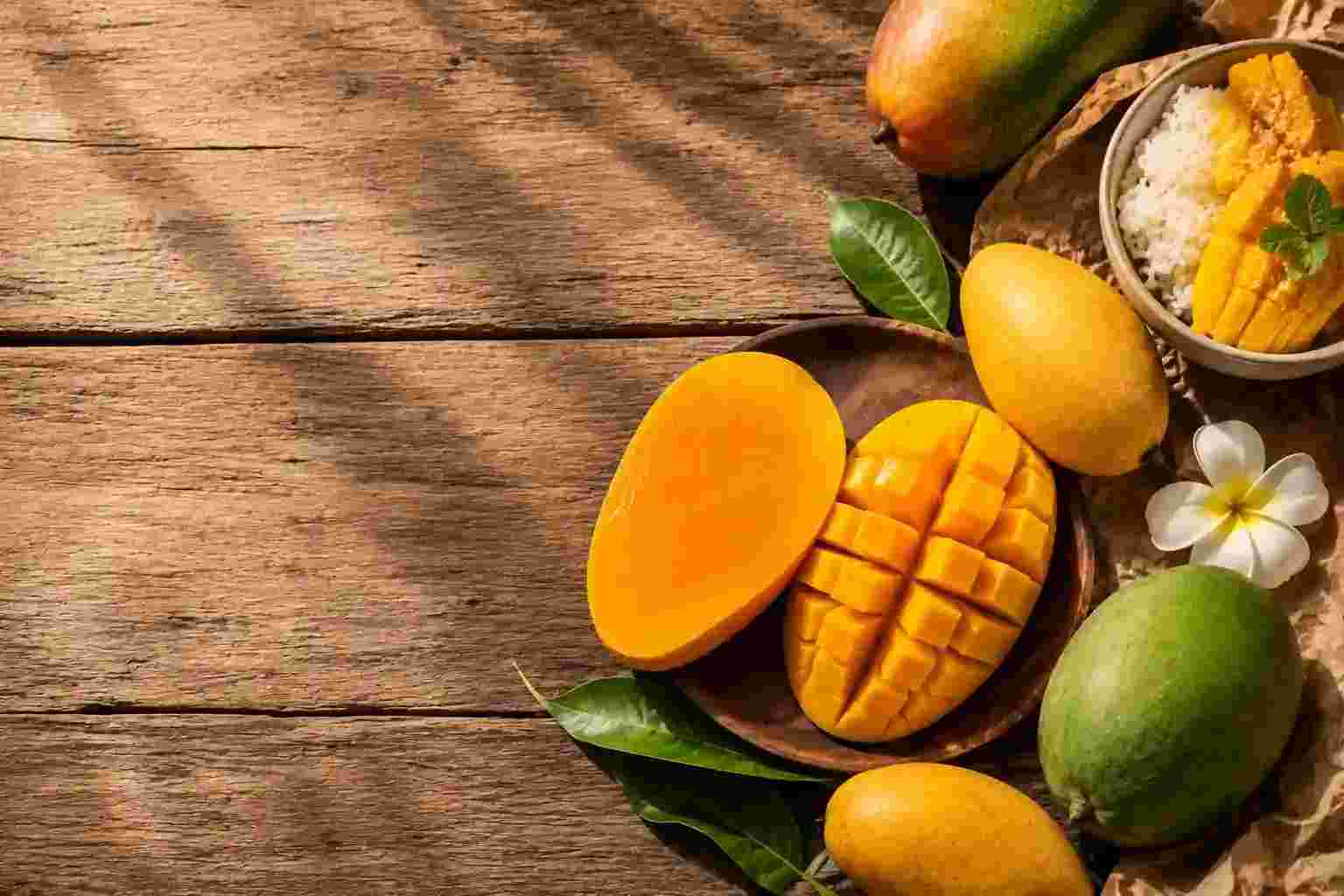
The first whiff of a ripe Alphonso signals the true start of summer. You hunt for that perfect golden flesh, the kind that drips down your chin without a single stringy fiber. This guide eliminates the guesswork. I have spent years visiting orchards and testing countless fruits to map out the precise weeks when each variety reaches its juice-dripping peak. You will learn exactly when to buy specific types, how to slice them without wasting the cheeks, and the storage trick that keeps them fresh for weeks.
The Global Timeline of the Mango Harvest
The mango season is not a singular event; it is a rolling wave of sweetness that circles the globe. Depending on where you live, you can access fresh fruit nearly ten months a year. The cycle begins in the Southern Hemisphere, moves north, and touches different regions with distinct flavor profiles.
- South America (September–March): Peru and Ecuador dominate the winter months, shipping vast quantities of Kent and Tommy Atkins to colder climates.
- The Caribbean (April–July): Haiti and Jamaica offer late-spring abundance, focusing on Madame Francique and Julie varieties.
- Southeast Asia (March–July): Thailand leads with Nam Dok Mai, a sweet, light-yellow fruit eaten with sticky rice.
- North America (May–September): Florida and California produce limited but exquisite harvests, focusing on sustainable farming methods.
Identifying Peak Ripeness Without Cutting
Squeezing fruit often bruises it and ruins the display for others. The true test of readiness during any mango season lies in scent and texture, not color. Red blush does not always mean sweetness; it merely indicates sun exposure.
- The Stem Test: Bring the stem end directly to your nose. A perfectly ripe fruit emits a heavy, fruity, almost resinous aroma. No smell means no flavor.
- The Give Test: Hold the fruit in your palm and gently press with your thumb. It should yield slightly, similar to the firmness of your palm just below the thumb. If it’s rock hard, wait. If it’s mushy, it’s past prime.
- Weight: A ripe fruit feels heavy for its size, promising dense, juice-laden flesh inside.
A Global Guide to Mango Varieties by Season
Not all varieties ripen at once. Entering a market without knowing the monthly progression often leads to picking a fibrous, unripe mess. Use this table to align your purchase with the calendar. Your taste buds will notice the difference immediately.
| Variety | Peak Availability | Flavor Profile & Texture |
| Ataulfo/Honey | March – July | Buttery, very sweet, no fiber, small flat pit. True gold. |
| Tommy Atkins | March – July, Sept–Oct | Mildly sweet, firm, fibrous. Common in groceries due to durability. |
| Kent | December–Feb, June–Aug | Sweet and juicy, limited fiber. Large green-yellow skin with red blush. |
| Alphonso | April – June | Intense saffron-orange flesh, creamy, floral, non-fibrous. The undisputed king. |
| Kesar | May – July | Sweet with a slight tang, saffron pulp. Perfect for mango pulp recipes. |
| Keitt | August – October | Large, green even when ripe. Sweet, tangy, practically no fiber. Late-season gem. |
| Palmer | August – October | Smooth, elongated shape. Mild, firm flesh. Good for salads. |
External Source: The National Mango Board publishes annual crop reports and availability charts confirming harvest windows for grocery distribution.
How Altitude and Climate Shift Harvest Dates
A single mountain range can delay the local mango season by several weeks. Fruit from coastal orchards with high humidity levels ripens on the outside before the interior sugars form, confounding consumers.
In contrast, inland plateaus with cooler nights allow the fruit to accumulate sugars slowly while maintaining a firm exterior. This results in a concentrated, complex flavor that coastal fruit rarely achieves. The Ratnagiri region’s elevation, for example, is exactly why the Alphonso from that specific terroir sells for a premium price globally.
The Wet Towel Method: A Storage Experiment
Your refrigerator is often the enemy of texture. Placing unripe fruit below 10°C (50°F) causes chilling injury, turning the flesh gray and killing the flavor.After ruining an entire case of Kents, I learned this lesson.
Here is the correct storage sequence to handle the abundance of the season:
- Ripening Phase: Place green fruit in a paper bag with a banana. The ethylene gas accelerates ripening within 24 hours. Cover with a damp, clean kitchen towel in a ventilated area to prevent the skin from shriveling.
- Peak Ripeness: Only move the fruit to the fridge once it reaches perfect texture. Store it in the crisper drawer, unwrapped, for no more than 4 to 5 days.
- Long-Term Storage: Peel, cube, and flash-freeze the cubes on a parchment-lined tray. Once frozen solid, transfer them to a vacuum-sealed bag. This preserves the peak mango season flavor for up to six months without ice crystallization.
The “Hedgehog” Cutting Technique for Clean Cubes
You waste nearly 30% of the flesh by simply peeling the skin. The flat pit dictates the cutting method. Locate the stem, which aligns with the long, flat seed. Slice off both “cheeks” parallel to the seed, about a quarter-inch from the center. For the middle section containing the pit, trim away the thin strip of skin and slice off the remaining flesh.
Score the two cheeks in a crosshatch pattern without piercing the skin. Push the skin from underneath to invert the cheek, creating the “hedgehog” shape. This gives you perfectly uniform cubes for mango lassi, salsas, or direct snacking without the slippery mess.
Debunking the Milk and Mango Myth
The old wives’ tale warns against drinking milk immediately after eating this fruit. I investigated this thoroughly with a gastroenterologist friend. The combination does not create toxins. However, both unripe fruit and raw milk contain complex compounds that are individually hard for sensitive stomachs to digest. The skin contains urushiol, the same irritant found in poison ivy, which can cause a reaction around the lips. Stick to fully ripe, peeled flesh, and you can enjoy a creamy mango milkshake without hesitation.
External Source: Medical News Today outlines the urushiol content in mango skin, confirming the sap is a common skin irritant rather than a toxic food poison.
Buying Flats Instead of Singles: A Cost Logic
During the peak of the season, grocery stores flood the floor with single fruits priced at a premium. Always ask the produce manager for a flat (a full box) from the back stock. A flat typically holds 8 to 14 fruits, depending on variety. The cost per unit drops by roughly 40% to 50% compared to the per-piece price. The fruit inside unopened cases is often less bruised because customer hands haven’t squeezed them. Split a flat with a neighbor or process the flesh into freezer bags immediately for a year-round supply.
Impact of Monsoon Patterns on Sugars
Rainfall timing is the invisible hand that dictates the flavor of that slice. Heavy rain a week before harvest dilutes the sugars inside the fruit, causing the sap to rise and fall rapidly. This produces a watery, less aromatic fruit. The most legendary vintages of any mango season occur during dry, hot springs followed by trace rains just enough to swell the pulp. Farmers refer to this balance as “sugar stress,” a crucial component for achieving the highest Brix count.
External Source: The Food and Agriculture Organization (FAO) documents the critical impact of pre-harvest rainfall on mango total soluble solids (sugar content) and shelf life.
FAQ: Mastering the Mango Season
Q1: Why does my fruit taste like turpentine?
A1: You are likely eating an unripe Tommy Atkins or a seedling variety not meant for fresh eating. During a proper mango season, stick to named cultivars like Ataulfo or Kent that are fully ripened to avoid this resinous taste.
Q2: How long does a typical mango season last in one region?
A2: A specific regional mango season usually runs for 3 to 4 months. However, with staggered varieties and imports, you can track a continuous global mango season that runs from March straight through October.
Q3: Can I freeze fruits straight from the mango season without sugar?
A3: Absolutely. The peak mango season fruit contains enough natural sugars to freeze perfectly. Dry the cubes well to prevent clumping, and freeze them in a single layer before bagging.
Q4: Why does my tongue itch after a big meal during mango season?
A4: The skin and sap contain urushiol. Even during the sweetest mango season, improperly washed fruit can leave traces of sap. Rinse fruit thoroughly and avoid biting directly into the peel.
Q5: Is color a reliable indicator of ripeness during mango season?
A5: No. A green Keitt is perfectly ripe when soft, while a red Tommy Atkins might still be rock hard. During any mango season, always use feel and fragrance over visual color.
Q6: Which variety offers the longest shelf life post-mango season?
A6: The Keitt variety, harvested late in the mango season, stores exceptionally well. It remains firm for up to two weeks post-ripening, extending your fresh eating window significantly beyond the standard mango season peak.
Secure Your Seasonal Supply Now
Frozen fruit bought in winter can never replicate the heady, sun-warmed perfume of a freshly sliced Kent in July. You now know the precise weeks when each variety hits its sticky, glorious peak. Buy the right fruit at the wrong time, and you get stringy fiber. Print the chart above and stick it to your refrigerator. Visit the market, ask for a flat of Ataulfos right now, and process them tonight. Lock in that peak sweetness today; your December self will thank you for every golden bite.