Master the Perfect Pad Thai Sauce for Unforgettable Home-Cooked Noodles
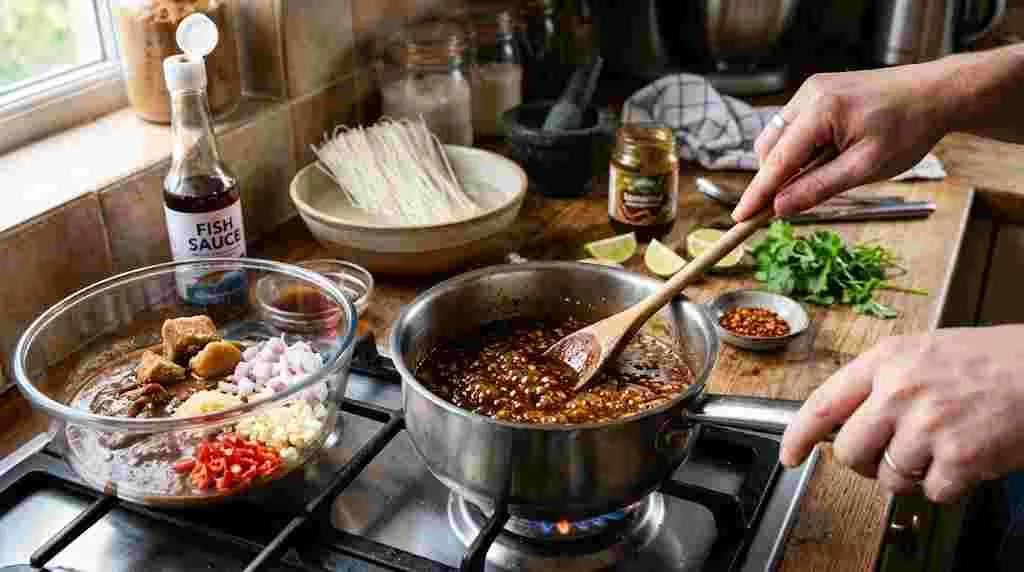
Nothing kills the dream of a perfect noodle dish faster than a bland, unbalanced sauce. You’ve sourced the flat rice noodles, prepped the shrimp, and even found tamarind paste at a specialty market. Yet, the final stir-fry tastes flat, missing that signature tangy-sweet depth you crave from your favorite Thai restaurant. The secret doesn’t live in a mystical wok technique; it lives in the liquid gold you build from scratch. Stop settling for cloying, one-note bottles. This formula hands you the exact blueprints to build a deeply authentic pad thai sauce that coats every strand of noodle with a complex, vibrant shine.
The Foundation of Iconic Flavor
A legendary noodle dish starts with a perfect balance of opposing forces. Many home cooks focus intensely on the protein or the noodle texture but treat the sauce as an afterthought. This is a critical error. The sauce is not a condiment; it is the primary flavor delivery system. When you master this component, you control whether your pad thai tastes like a sad compromise or a vibrant street-food masterpiece. The target is a harmonious equilibrium where sweet, sour, and salty dance together without a single element screaming for attention.
The Non-Negotiable Ingredient Trinity
You cannot create the real thing by substituting ketchup or straight vinegar. Authenticity demands specific ingredients that each play a distinct chemical role. Tamarind paste provides the fruity, sour backbone that defines the classic profile. Fish sauce injects the deep, savory umami and saltiness that rounds out the sharp edges. Palm sugar (or coconut sugar) delivers a caramel-like sweetness that dissolves smoothly without the harsh bite of refined white sugar. This trinity creates the soul of the dish, binding the flat pad thai noodles in a glossy, amber coating.
Balancing Sweet, Sour, Salt, and Umami
Tasting as you build is mandatory. Start with a warm water bath for your tamarind concentrate to break down the fibrous pulp, then press it through a sieve to catch seeds. Combine this liquid with fish sauce and melted palm sugar. Your goal is a pre-cooked mixture that initially tastes too intense. This is the flavor concentrate that will mellow and caramelize upon hitting the screaming-hot wok. If the raw mixture tastes perfectly pleasant, it will vanish into the noodles during cooking. You need a punchy, almost overwhelming concentrate to survive the intense heat.
The Essential Chemical Reaction of Caramelization
The transformative magic occurs not in the mixing bowl, but in the steel of the pan. Pouring the pad thai sauce into a ripping hot wok triggers immediate caramelization. The sugars in the palm sugar begin to thicken and cling to the noodles, creating a sticky, lacquered finish rather than a watery puddle. This high-heat step is why your homemade version often fails when simply tossed in a cold pan. You must create enough thermal mass to cook the starch while simultaneously glazing the noodles. The sauce reduces in seconds, concentrating the tamarind and fish sauce into a savory shellac.
Tamarind Paste vs. Concentrate: A Critical Distinction
Your choice of tamarind directly dictates your final result. Western supermarkets often sell a thick, black “concentrate” that is pre-mixed with syrup. Avoid this for an honest pad thai recipe. You need a pure pulp block (often labeled “sour tamarind”) that requires soaking and straining. The concentrate lacks the sharp, fruity acidity needed to cut through the rich fats of your proteins and oil. Pure pulp offers a bright, citrus-like tang that synthetic substitutes cannot mimic. This single decision determines if your dish tastes flat and muddy or vibrant and clean.
Sauce Ratios for Different Protein Pairings
Protein fat content changes the game. A universal mixing ratio does not exist; you must adjust the formula based on your main ingredient to maintain balance. The rich, sweet flesh of shrimp pad thai demands a sharper, more acidic punch to cleanse the palate. Fatty proteins like beef pad thai require an extra splash of fish sauce and less sugar to cut through the density. A lean chicken pad thai recipe serves as the perfect neutral canvas, thriving on the standard 3:2:1 ratio of tamarind liquid, sugar, and fish sauce.
Shrimp Pad Thai Adjustments
Shrimp releases sweet, oceanic juices as it sears. To prevent the entire dish from becoming cloying, increase the tamarind component by a half part. This extra acidity lifts the heavy sweetness and keeps the flavor profile sharp. Shrimp pad thai benefits from a squeeze of fresh lime just before serving, adding a volatile citrus oil note the cooked sauce cannot provide. This bright finish contrasts beautifully with the caramelized crust on the shrimp.
Beef Pad Thai Modifications
The robust, mineral-rich firmness of beef overwhelms timid sauces. Dial back the sugar by a quarter to avoid a sticky-sweet conflict with the meat’s savory char. Amplify the umami by adding a teaspoon of Thai black soy paste into your sauce mixture. This deepens the color to a dark mahogany and gives the beef pad thai a bold, smoky backbone that stands up to the intense flavor of seared skirt steak or flank.
Chicken Pad Thai Classic Ratio
Chicken breast or thigh offers a lean, mild background that lets the sauce sing clearly. The classic 3:2:1 ratio remains untouched here. Chicken pad thai acts as your benchmark; once you perfect this version, you can accurately judge how to tweak for other proteins. The result should be noodles that taste distinctly of tangy tamarind first, followed by a wave of garlicky umami.
Signature Sauce Formula for Restaurant Replication
Yield: 4 generous servings
Total Time: 15 minutes
| Ingredient | Amount | Notes |
| Tamarind Pulp (block) | 50g | Not concentrate; soaked in 1/4 cup warm water |
| Palm Sugar (packed) | 40g | Finely chopped or shaved for quick melting |
| Fish Sauce | 35ml | Red Boat or Squid brand preferred for clean taste |
| White Vinegar | 10ml | Adds sharp top-note to cut through wok hei |
| Dried Chili Flakes | 1/2 tsp | Optional; adjust to your heat tolerance |
Process: Break the tamarind block into warm water and massage the fibers off the seeds. Strain. Melt the palm sugar in a small pan with the vinegar just until dissolved—do not caramelize. Remove from heat. Stir in the strained tamarind liquid, fish sauce, and optional chili flakes. The raw smell is pungent. Trust this. It transforms completely under fire.
Make-Ahead Storage Strategy
Build a triple batch. Homemade sauce stores brilliantly in a sterile glass jar for up to two weeks. The resting period allows the sulfur notes in the fish sauce to mellow, creating a more integrated flavor. Pad thai cooked with aged, rested sauce often tastes deeper than a fresh batch. Always shake vigorously before pouring, as the micro-sediment of tamarind settles at the bottom.
Salvaging a Broken or Imbalanced Sauce
You lost the balance. The wok is hot, and the dish tastes like liquid salt or sour candy. Fixing this fast saves dinner. If the mixture is painfully salty from a heavy-handed fish sauce pour, do not add more sugar raw. Drizzle in some additional palm sugar that has been dissolved in a tablespoon of water. If the dish tastes flat and missing spark, you are likely missing acid—add a splash of rice vinegar, not lime juice, at this stage to revive the pad thai ingredients without adding a raw citrus taste that conflicts with the tamarind.
The Charcoal Smoke Hack
To recreate the wok hei of a blazing jet engine, use a culinary torch. Once the noodles and sauce are combined, spread them flat against the hot metal and pause. Torch the surface noodles directly for five seconds. This singes the sugar in the pad thai sauce recipe, instantly adding that elusive, slightly bitter, smoky char. This is a pro-level move that tricks the palate into thinking you cooked over a jet burner.
The Authentic Sauced Noodle Technique
Never boil noodles like pasta. Soak dry rice sticks in room temperature water until pliable but still chalky and semi-firm. They finish cooking in the liquid you build. Scoop the protein to the side of a raging hot wok, crack an egg into the oil, scramble it slightly, then immediately dump in the softened, drained noodles. Ladle the prepared sauce down the hot steel sides—never dump it directly onto the cold noodles. Hearing the sauce sizzle and evaporate instantly against the metal is the sound of a correct pad thai recipe.
Protein Marry Technique
Create a well in the center of the noodles. Pour a small amount of water or chicken stock right into the exposed steel, then immediately cover it with the noodles. The steam flash-hydrates the starch, while the surrounding metal continues caramelizing the sugar. Toss rapidly for exactly 45 seconds. Over-tossing cools the wok and creates a gluey paste. High heat plus minimal movement equals chewy, separated strands perfectly coated in a clear, sticky pad thai sauce.
Decoding Restaurant Aesthetics at Home
Your eyes eat first. A sloppy, broken pile of noodles tastes different than a neat, rolled mound. Plate the noodles using tongs, twisting the nest as it lands on the platter. The sauce should form a shiny puddle rim, not a flood. Scatter crushed peanuts and fresh bean sprouts on the side, not on top, so they don’t steam and lose their crunch. Serve with a wedge of lime and a small mound of extra chili flakes, allowing guests to adjust the heat and acid of their pad thai bowl by bowl.
Frequently Asked Questions
How can I make an easy pad thai sauce recipe at home?
Crush 40g of palm sugar into a paste with 35ml of fish sauce and 50g of soaked, strained tamarind pulp. Warm this mixture gently only until the sugar melts. This creates a concentrated base that coats pad thai noodles perfectly when flashed in a searing hot pan.
What is pad thai sauce made of?
It is a fragrant blend of tamarind paste (for fruit-like sourness), fish sauce (for salty depth), and palm sugar (for mellow caramel sweetness). Peanut butter is not used in authentic versions. The syrup relies on the triple balance of these pad thai ingredients to deliver its signature tangy glaze.
How does the sauce differ between pad see ew vs pad thai?
The comparison of pad see ew vs pad thai reveals a fundamental flavor split. Pad see ew relies on a dark, savory mixture of thick soy and oyster sauce for an earthy, umami-forward profile. Pad thai sauce is fundamentally lighter, tangier, and sweeter, driven by tamarind and palm sugar instead of dark soy.
Is pad thai sauce naturally gluten free?
Yes, traditionally. Fish sauce and tamarind fruit contain no gluten. However, you must carefully read the label on your specific fish sauce bottle; some industrial brands add hydrolyzed wheat protein. Asking “is pad thai gluten free” demands checking the condiment, not just the rice noodles.
How long does prepared pad thai sauce last in the fridge?
Pour the cooled mixture into an airtight glass container. The intense salinity acts as a natural preservative, keeping it fresh for two weeks. If the oil separates or the color turns a dull brick brown, it has spoiled. Fresh, healthy pad thai relies on bright, zesty base flavors.
How many calories does the sauce add to a serving?
A standard serving of the prepared syrup adds roughly 80 to 110 calories. The majority comes from the dense palm sugar. If you are tracking intake, pad thai calories can be reduced by thinning the sauce with a splash of zero-calorie lime juice instead of reducing the sugar, which preserves the coating texture.
Make This Tonight
Understanding the science behind the sauce removes the guesswork from your cooking forever. You now hold the formula for a perfectly balanced, restaurant-quality glaze that honors the true taste of Thailand. Your mis en place makes all the difference between a depressing, ketchup-red noodle and a glistening, tangy masterpiece. Pad thai recipes stand or fall solely on this liquid foundation. Grab that block of fibrous tamarind pulp, melt the sugar low and slow, and bring a screaming-hot pan to the flame tonight. Your kitchen holds the heat. Taste the transformative power of a truly honest, hand-built sauce right now.